Integrated Mobile Designs Supporting Fluid Movement Between Spin Bonuses and Sports Wager Balances
Elena Perry · Oct 24, 2026
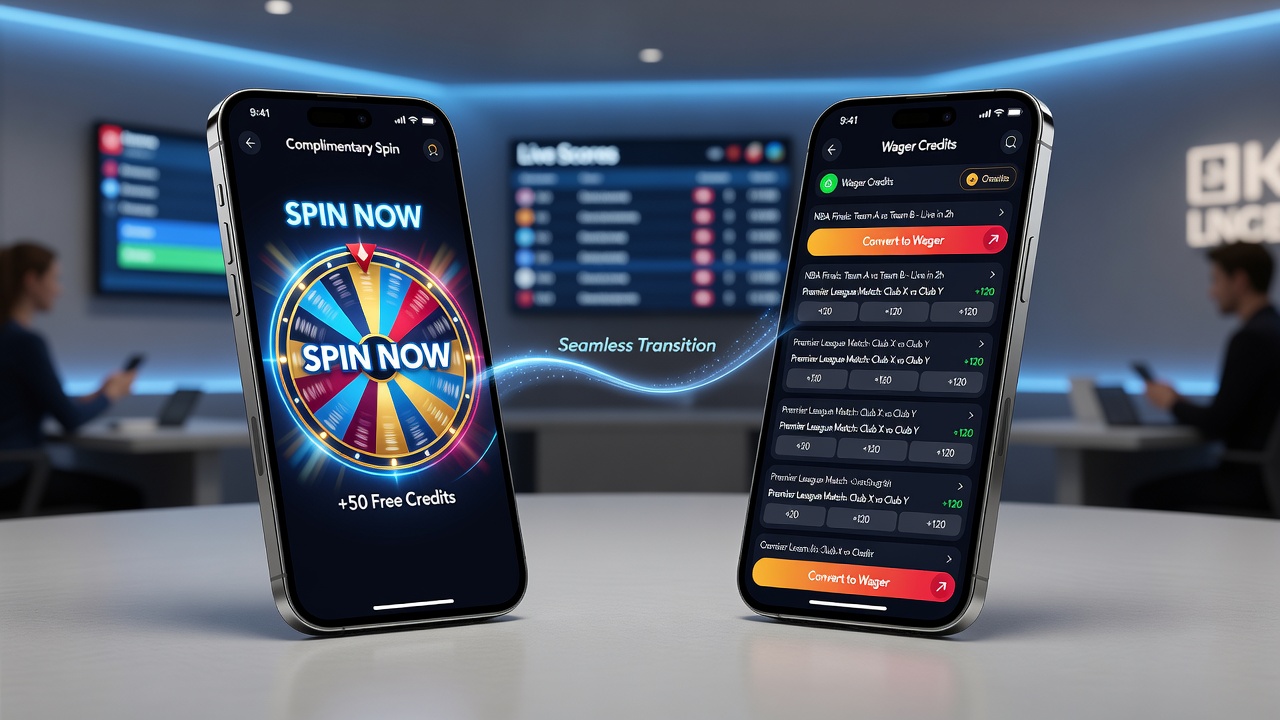
Integrated Mobile Designs Supporting Fluid Movement Between Spin Bonuses and Sports Wager Balances
Developers have refined mobile interfaces over recent years so that users can move from complimentary spin sequences in slot-style games directly into active sports event wagers without separate logins or balance transfers. These systems rely on unified account ledgers that update in real time, allowing credits earned from one activity to appear instantly in the other section of the same application. Data from multiple platform providers indicate that such integration became standard across major operators by mid-2026, driven by advances in cloud synchronization and secure token handling.
Core Technical Elements Behind the Transitions
Backend servers maintain a single credit pool that feeds both spin mechanics and sports markets, while the front-end application uses responsive layouts to swap between visual modes with minimal latency. When a player completes a sequence of complimentary spins, any resulting credits register immediately in the wager section through encrypted application programming interfaces. Observers note that session continuity features prevent interruptions, so a user who finishes spins on a tablet can resume on a phone with the same balance reflected across both sports event listings and remaining bonus rounds. Studies from research institutions such as the University of Nevada, Reno Gaming Research Center show that these unified ledgers reduce transaction errors by up to 40 percent compared with earlier fragmented systems.
Usage Patterns Observed in October 2026
Throughout October 2026, analytics collected from North American and European operators revealed that sessions involving both spin features and sports wagers increased by 28 percent over the previous quarter. Mobile traffic accounted for the majority of these combined activities, with interface logs indicating average transition times under three seconds. Regulatory bodies in several jurisdictions, including the Nevada Gaming Control Board, have documented that operators must maintain audit trails for every credit movement between game types to ensure compliance with responsible play standards. Industry associations such as the Canadian Gaming Association report similar requirements emerging in additional provinces, emphasizing transparent balance displays during switches.
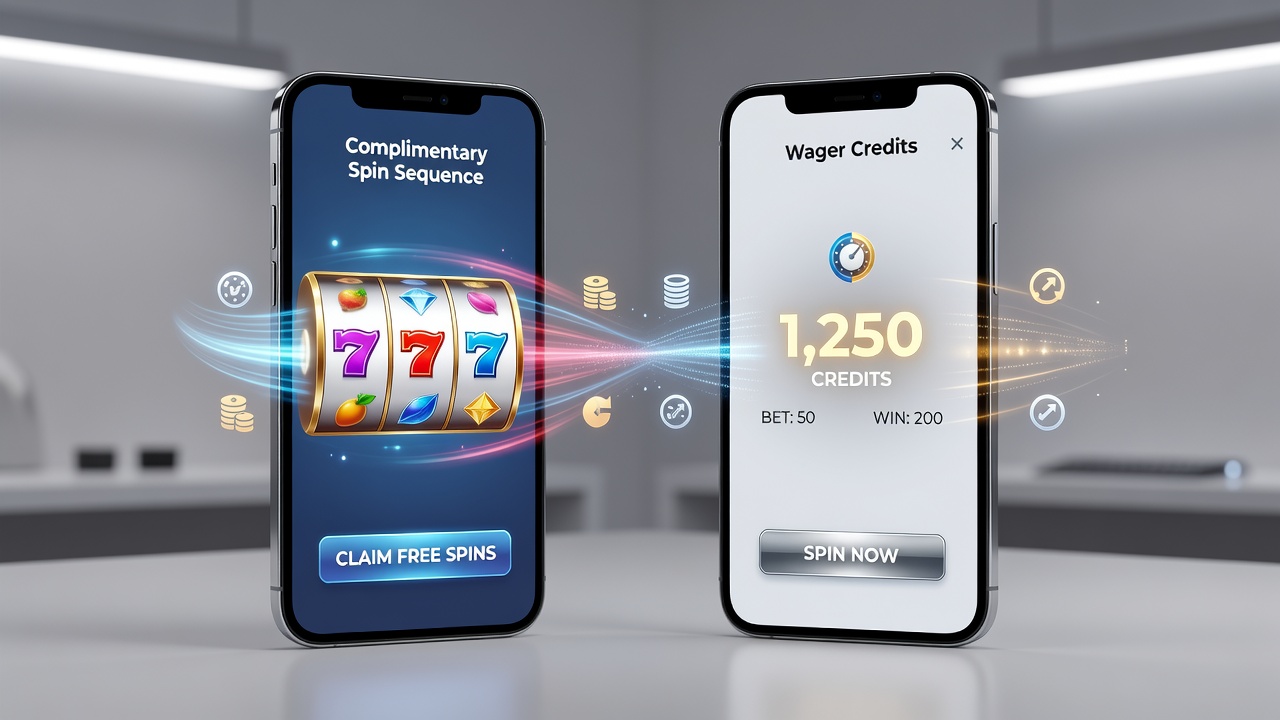
One documented case involved a major operator that introduced gesture-based navigation in its October update, allowing users to swipe from a completed spin screen straight into live sports markets while the credit total adjusted on screen. Those who tested the feature across multiple devices reported consistent performance regardless of operating system, thanks to cross-platform development frameworks. The same operator published internal metrics showing that 65 percent of users who started with complimentary spins later placed at least one sports wager within the same hour, illustrating how interface design influences activity flow.
Security and Compliance Considerations
Security protocols incorporate multi-factor authentication that persists across both spin and wager modules, reducing the need for repeated verifications during transitions. Encryption standards meet or exceed requirements set by organizations such as the Australian Communications and Media Authority, which oversees digital transaction integrity in licensed environments. Developers implement automatic session timeouts that apply uniformly whether a user remains in spin mode or shifts to sports event selections, thereby limiting exposure periods. Academic papers from the University of Sydney Business School have examined how these consistent security layers affect user retention rates, finding measurable improvements in platforms that avoid separate authentication steps for different game categories.
Future Development Directions
Engineers continue to test predictive loading techniques that preload sports market data while a user engages with spin sequences, aiming to shorten perceived transition times even further. Partnerships between software vendors and device manufacturers have produced optimized rendering pipelines that maintain frame rates above 60 frames per second during mode switches on mid-range hardware. Figures released by the European Gaming and Betting Association indicate that mobile hybrid interfaces now represent the fastest-growing segment of licensed gaming applications, with adoption rates climbing steadily through late 2026. Continued refinement focuses on accessibility options, such as adjustable text sizes and voice navigation, that function identically across spin and sports sections without requiring separate configuration menus.
Conclusion
Mobile interfaces that connect complimentary spin sequences with sports wager credits rely on shared ledgers, rapid synchronization, and consistent security measures to deliver uninterrupted experiences. Reports from regulatory authorities and academic sources confirm that these designs have expanded significantly by October 2026, supported by measurable gains in session continuity and reduced technical friction. Ongoing work by developers and industry groups centers on further performance enhancements and broader accessibility features while maintaining compliance across jurisdictions.