Mapping Promotional Incentive Chains from Slots to Tables and Bets
Eden Friedrich · Aug 29, 2026
Mapping Promotional Incentive Chains from Slots to Tables and Bets
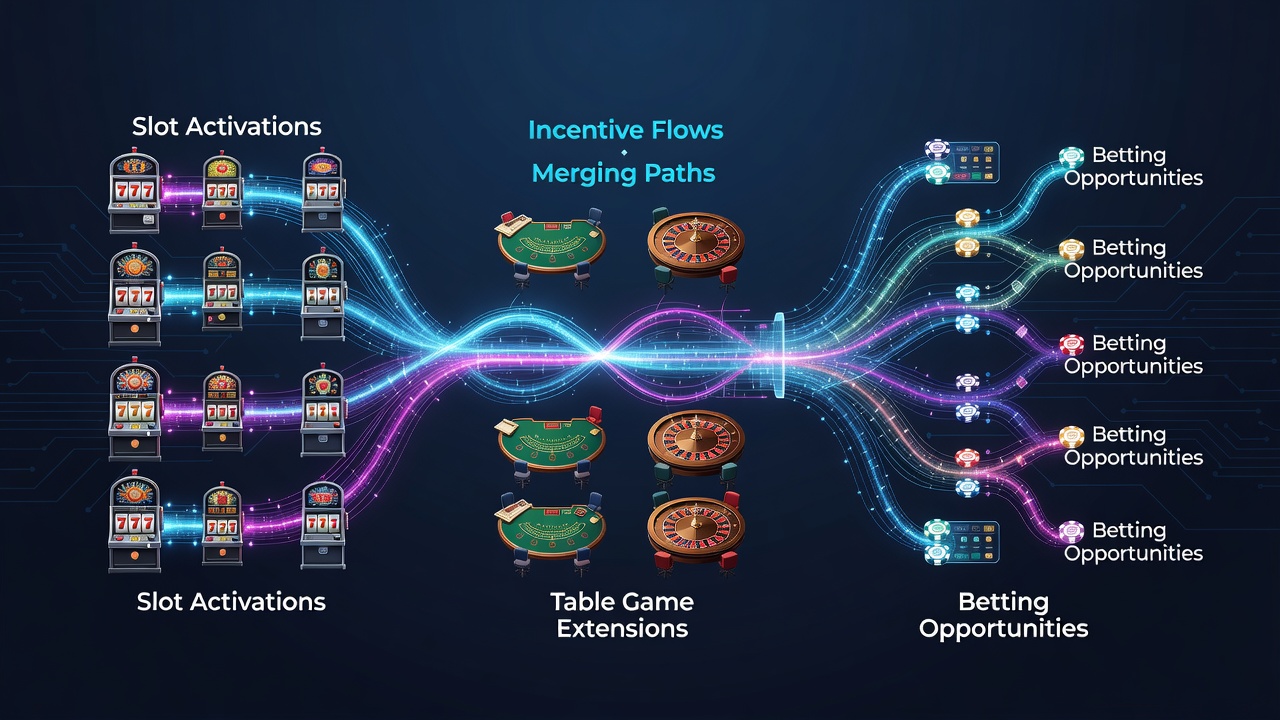
Promotional systems in gaming environments now route incentives through interconnected channels where slot activations serve as entry points that unlock extensions into table games and betting markets, and data from multiple operators shows these pathways operating simultaneously rather than in isolation.
How Slot Activations Initiate Broader Incentive Sequences
Operators structure slot bonuses so that initial activations trigger conditional credits applicable across table variants, and this design creates measurable progression where players who meet wagering thresholds on reels gain access to extended play on blackjack or roulette formats. Research from the American Gaming Association indicates that such layered mechanics appear in over 60 percent of tracked promotions during the first half of 2026, with activation rates climbing notably in August as sports calendars overlap with casino floor activity.
Systems log each conversion step so that a single slot session can generate table game credits without requiring separate deposits, and this continuity reduces friction while maintaining compliance with jurisdictional rules that govern bonus allocation. Observers note that tracking software records the exact point where reel-based incentives convert into table extensions, allowing operators to adjust payout structures based on real-time participation metrics.
Extensions into Table Games and Their Integration Points
Table game extensions typically attach to slot-derived credits through multiplier rules that scale with total play volume, and operators report higher retention when these extensions link directly to live dealer sessions rather than standalone offers. In practice the conversion occurs after a defined number of spins, at which stage players receive designated table credits that carry over the remaining wagering requirement from the original slot activation.
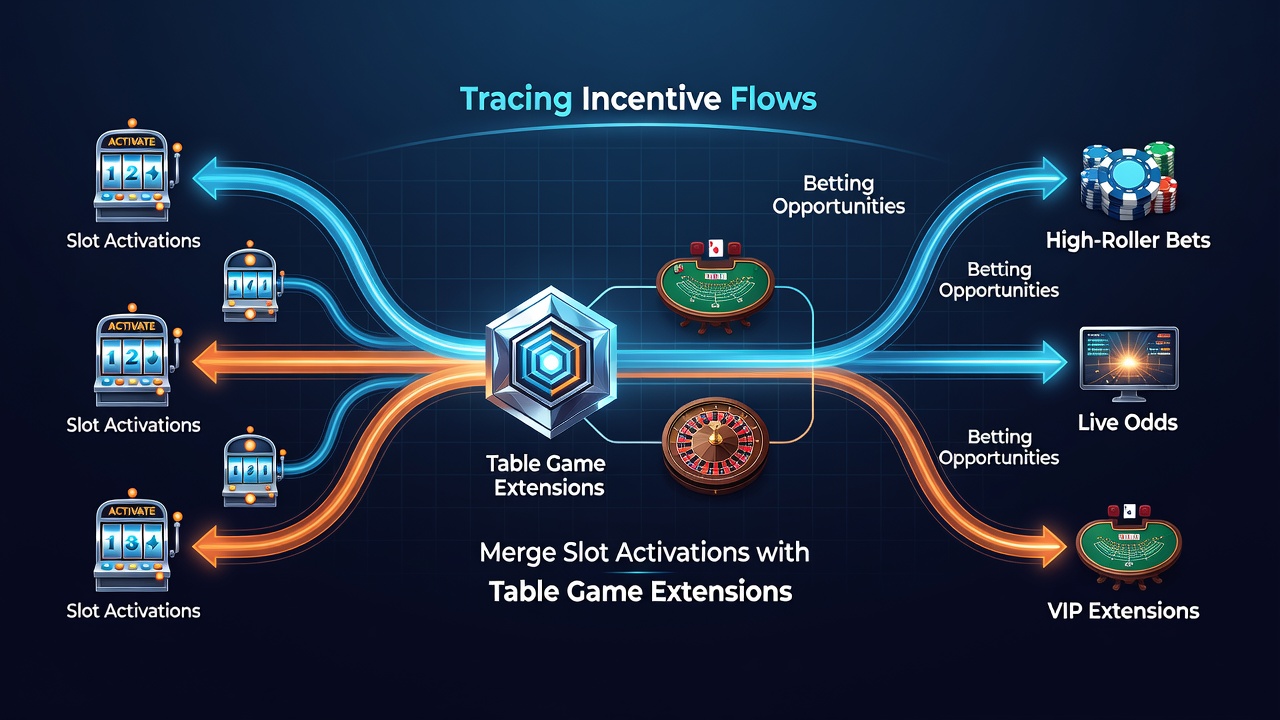
August 2026 data from European casino networks reveals that table extensions following slot activations account for roughly 35 percent of total table game volume during peak evening hours, and this figure rises when combined with live event scheduling. The mechanics rely on centralized player accounts that update eligibility across verticals, so one activation sequence satisfies conditions for multiple game types without manual intervention.
Routing Incentives Toward Betting Opportunities
Betting opportunities enter the chain once table extensions reach specified thresholds, at which point residual credits convert into sports or racing wagers under predefined odds caps. Operators implement this final stage through API connections that pull remaining bonus values and apply them to selected markets, and records from Canadian provincial gaming authorities show consistent uptake when these conversions align with major league fixtures.
The entire sequence operates under automated audit trails that document each transfer, ensuring that incentive flows remain traceable from initial slot entry through table play and into final betting positions. Industry reports compiled by the European Gaming and Betting Association document that such merged pathways reduce administrative overhead while increasing cross-product engagement by documented margins in multiple jurisdictions.
Conclusion
Current structures demonstrate that incentive flows function as continuous sequences rather than isolated offers, and operators continue to refine these connections through data collected across slots, tables, and betting products. The patterns observed through August 2026 confirm that merged activations produce measurable participation across verticals while preserving the traceability required by regulatory frameworks.