Momentum Builders: Zero-Cost Tokens Linking Poker Tournaments, Casino Tables, and App-Based Sports Markets
Quinn Lehmann · Aug 25, 2026
Momentum Builders: Zero-Cost Tokens Linking Poker Tournaments, Casino Tables, and App-Based Sports Markets
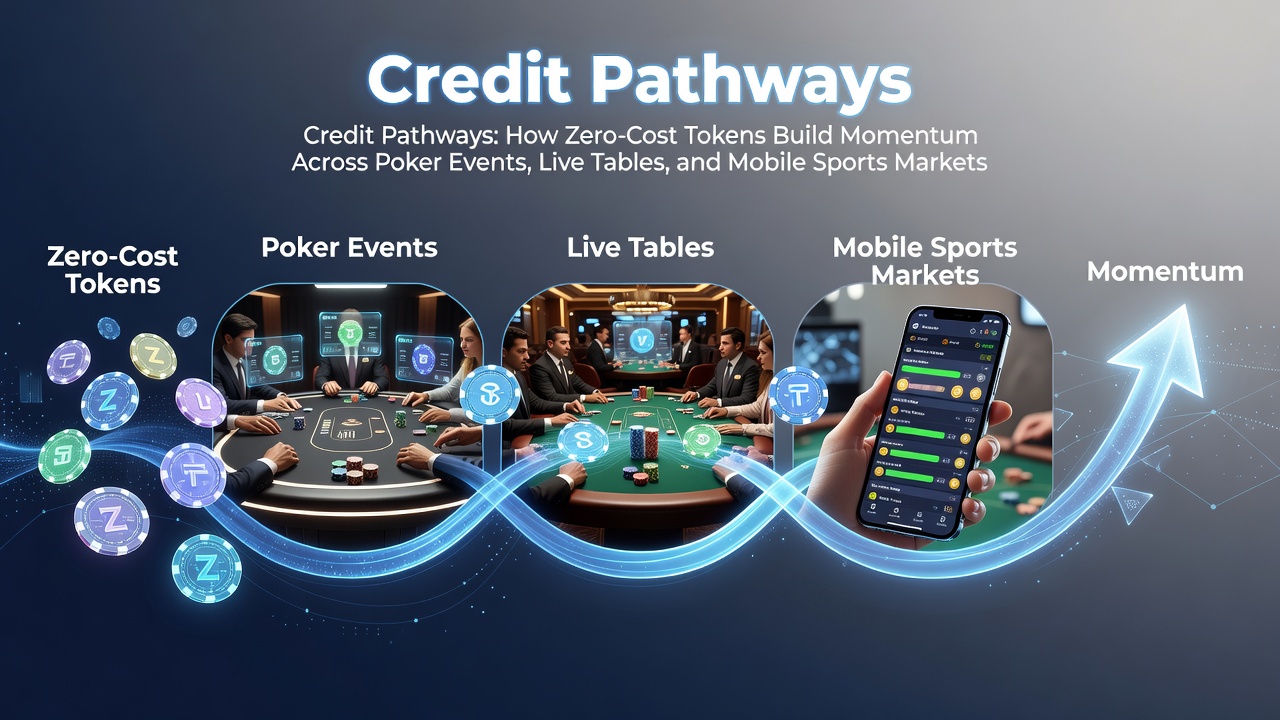
Zero-cost tokens appear in multiple formats across gambling platforms, and data from industry reports shows they often start with entry-level offers that convert into sustained activity. These tokens include freerolls in poker, table credits at live venues, and initial bet credits on mobile sports apps, with patterns emerging in how users move from one format to another during 2026.
Researchers tracking participation note that a single token frequently initiates sequences where players test poker events before shifting toward live table environments or mobile sports markets. Figures from regulatory bodies in various regions indicate steady uptake in these pathways, particularly as platforms integrate cross-promotional mechanics that reward continued engagement without additional deposits.
Entry Points in Poker Tournaments
Poker events rely on zero-cost entries to draw participants who might otherwise skip higher-stakes formats, and records from major circuits reveal that freeroll structures have expanded notably through mid-2026. Players receive these tokens via app registrations or loyalty tiers, then use them to compete in events where prize pools grow through accumulated entry volume rather than individual buy-ins. Observers at tournament series report that many participants transition from these starting points into cash games or satellite qualifiers, creating measurable increases in overall table time.
One documented case involved a regional circuit where token-based entries accounted for over 30 percent of total field sizes during summer events, according to data compiled by the National Center for Responsible Gaming. The same players often carried forward any accumulated credits toward side events or adjacent casino offerings, illustrating an early link in broader credit pathways.
Transitions to Live Table Environments
Live tables incorporate zero-cost tokens through promotional chips or time-limited credits that appear at both brick-and-mortar and hybrid venues. These offers frequently activate after initial poker participation, as platforms track user behavior across integrated systems. Data collected by Canadian provincial operators shows that players who begin with poker freerolls demonstrate higher conversion rates to table games when tokens carry over as table credits, particularly during peak periods in August 2026 when festival calendars align multiple formats.
Staff at larger properties observe that token recipients tend to extend sessions when credits apply directly to blackjack, roulette, or baccarat layouts, while venue reports note corresponding rises in average session duration. The mechanism works because the tokens reduce perceived entry barriers, allowing participants to test live dynamics before committing personal funds. This pattern repeats across jurisdictions where operators share user data under regulated frameworks.
Extension into Mobile Sports Markets
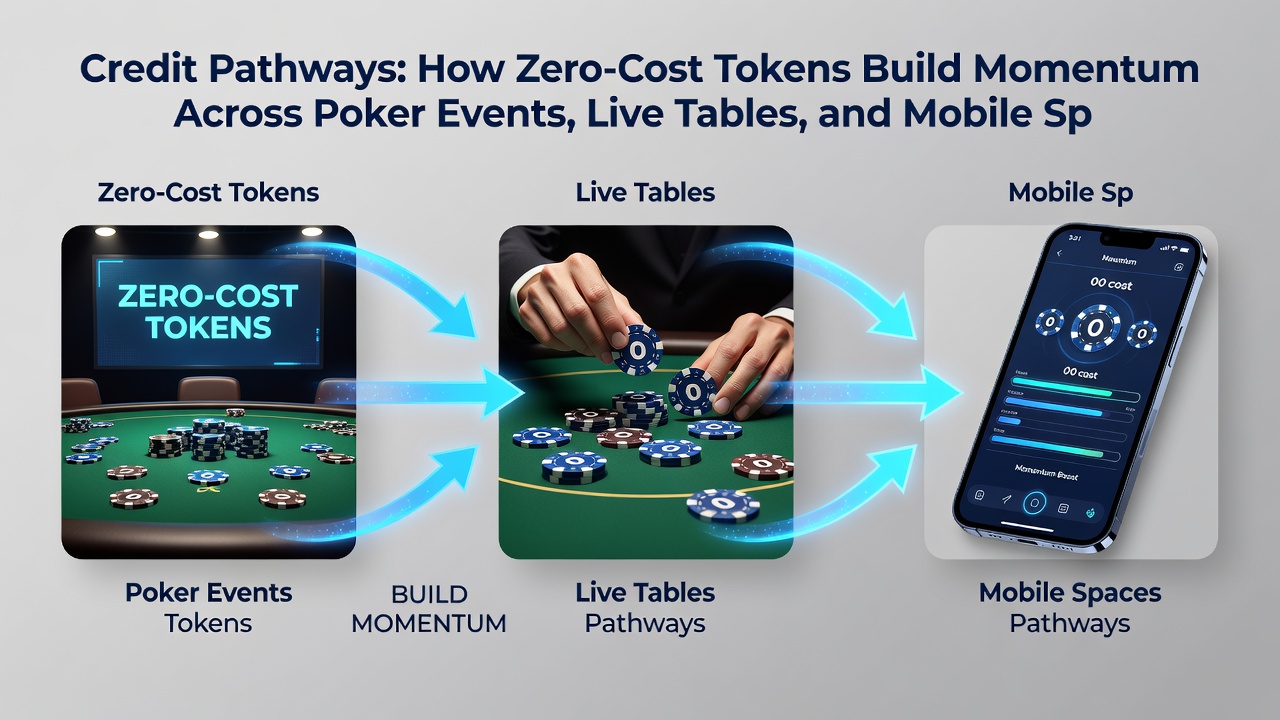
Mobile sports platforms complete many of these pathways by accepting tokens originally earned in poker or live table settings. Bet credits appear in app wallets following successful table sessions or tournament finishes, and users apply them to pre-match or in-play wagers across football, tennis, and racing markets. Industry figures from Australian sources highlight that token-linked accounts maintain longer retention windows compared with standard sign-ups, with activity spikes coinciding with major sporting calendars through the second half of 2026.
Operators in multiple markets deploy tracking that credits mobile sports balances when users complete linked activities elsewhere, creating seamless movement between environments. Research compiled by the Australian Gambling Research Centre indicates that such cross-format credits contribute to diversified engagement patterns rather than isolated platform use. Players who receive these tokens often explore multiple sports markets within single sessions, extending overall activity volume without new deposits.
Tracking Pathway Continuity in 2026
August 2026 data points show increased token circulation during overlapping tournament schedules and sports seasons, where operators time releases to maximize movement across poker events, live tables, and mobile apps. Systems log token redemptions sequentially, revealing that many accounts progress through at least two formats before pausing. Regulatory summaries from North American and European agencies confirm these patterns occur under existing compliance structures that monitor promotional volume and player behavior metrics.
Platforms refine algorithms to surface relevant token offers based on prior activity, which sustains momentum without requiring users to initiate new searches. This approach relies on backend integration that treats zero-cost credits as portable units across distinct product verticals.
Conclusion
Zero-cost tokens function as connectors that link poker tournaments with live table play and mobile sports wagering through structured credit transfers. Available records demonstrate consistent progression across these segments when tokens remain active between formats, with participation metrics reflecting steady pathway usage throughout 2026. Operators continue to adjust distribution mechanics in response to observed flow patterns, maintaining the operational framework that supports token-driven activity across multiple environments.