Token Networks Reshaping Cross-Game Access in Mobile Gambling Platforms
Elena Perry · Aug 27, 2026
Token Networks Reshaping Cross-Game Access in Mobile Gambling Platforms
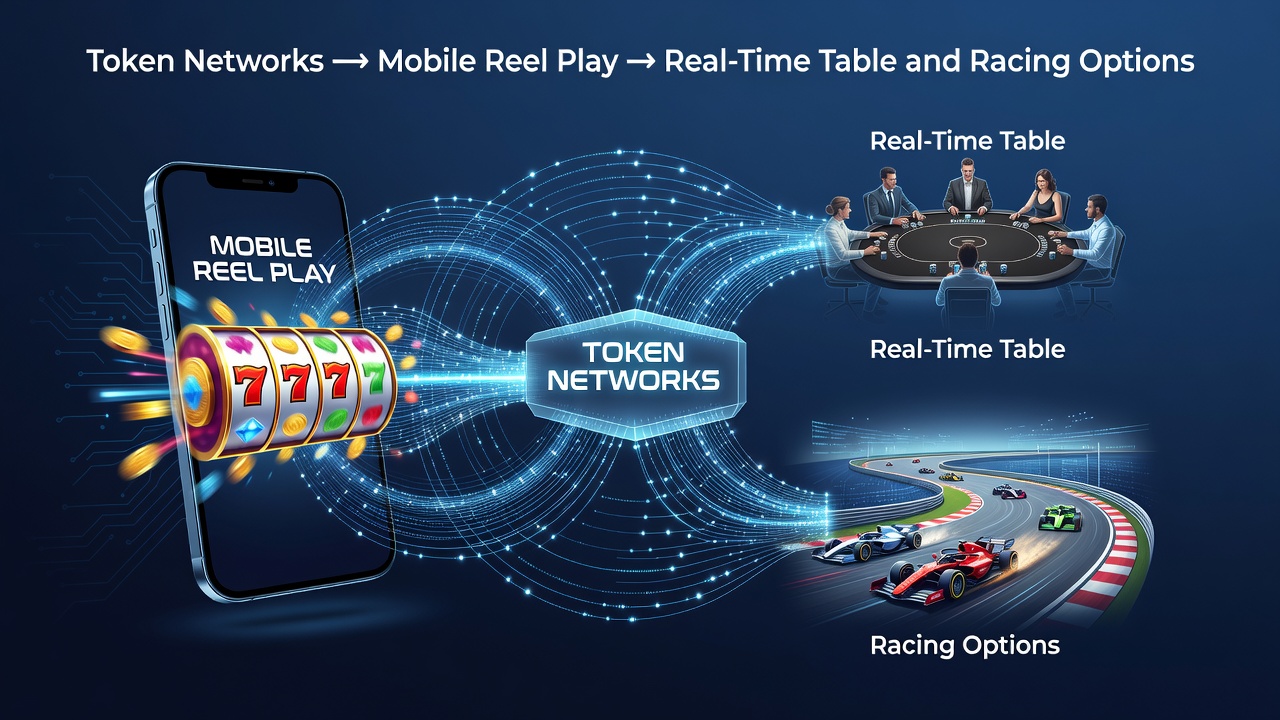
Token networks now serve as the infrastructure that lets players move between mobile reel games, live dealer tables, and racing markets without resetting balances or starting separate sessions, and data from industry reports shows these systems gaining traction through 2026. Operators deploy digital tokens that function as unified credits across game categories, allowing seamless shifts from spinning reels on a smartphone to placing wagers on real-time blackjack or horse races.
How Token Networks Operate Across Platforms
These networks rely on blockchain ledgers or centralized token servers that track player value in real time, and researchers at institutions such as the University of Nevada, Las Vegas have documented how tokens maintain consistent values while switching between slot mechanics and table outcomes. A player starts with reel play, accumulates tokens through standard spins, then converts portions of the balance directly into table stakes or racing pools using the same mobile interface. The process reduces friction because one token pool handles multiple game engines instead of requiring separate logins or transfers.
August 2026 has seen several operators expand these features in response to rising mobile usage, with token systems now supporting instant swaps between reel sessions and live dealer streams. Regulatory bodies including the New Jersey Division of Gaming Enforcement have issued guidance on token interoperability standards that emphasize audit trails and player fund segregation across game types.
Linking Mobile Reels to Real-Time Tables
Reel games generate token credits that feed directly into table environments where live dealers manage cards or wheels, and case studies from North American operators demonstrate that players complete these transitions in under three seconds on average. The token layer records each action on a shared ledger, which prevents discrepancies when a player exits a slot round and enters a roulette table without reloading funds. Software providers integrate APIs that read token balances and adjust table minimums accordingly, so a balance built on mobile reels remains usable for higher-stakes table decisions.
Observers note that this connectivity also supports live updates, where table results adjust token totals immediately and feed back into reel play if the user switches again. Data from Canadian provincial regulators shows measurable increases in session length when operators activate token bridging between these categories.
Extending Access to Racing Options
Racing markets integrate through the same token framework, letting players allocate credits from reel or table activity toward pari-mutuel or fixed-odds bets on live events. Token networks handle variable odds feeds by converting holdings into race-specific units without additional deposits, and industry analyses from the Australian Gambling Research Centre highlight how this setup maintains compliance with local payout rules while supporting cross-category play. Mobile apps display racing odds alongside token balances, enabling users to move value from a completed slot session straight into a race pool.

Real-time synchronization means race results update token totals instantly, which then become available for table or reel continuation. Those who have examined platform logs report that token networks reduce the steps required to participate in multiple verticals, particularly during peak racing calendars when users alternate between live events and other games.
Technical and Security Considerations
Security protocols within these networks encrypt token transactions and maintain separate ledgers for each regulatory jurisdiction, and reports from the European Gaming and Betting Association outline encryption standards that protect balances during rapid game switches. Operators conduct regular reconciliation checks to ensure token values match across reel, table, and racing modules, while multi-factor authentication safeguards account access on mobile devices. The architecture supports both centralized and decentralized token models, giving platforms flexibility depending on local licensing requirements.
August 2026 updates have introduced enhanced monitoring tools that flag unusual token movement patterns across game types, helping maintain integrity without interrupting player flow. Academic papers from research centers in Asia have examined latency reductions achieved through optimized token routing, confirming that mobile connections remain stable even when switching between high-volume racing data and table streams.
Conclusion
Token networks continue to expand the reach of mobile gambling by creating direct pathways between reel play, live tables, and racing markets, supported by regulatory frameworks and technical standards documented across multiple regions. Operators that implement these systems report consistent player engagement metrics tied to reduced barriers between game categories, while ongoing developments through late 2026 focus on further interoperability improvements and compliance enhancements.